
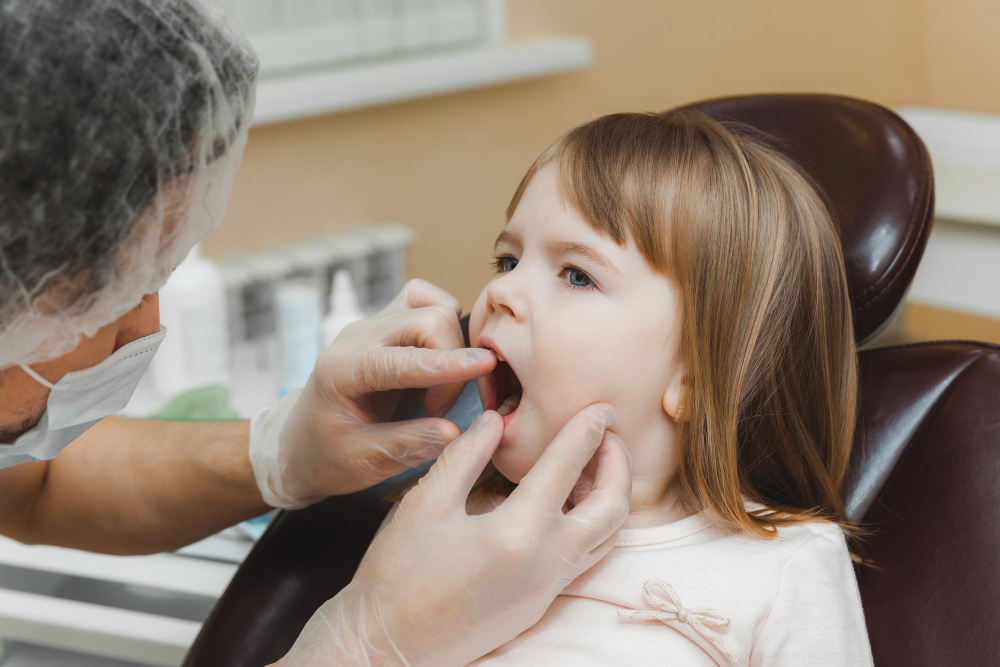
What is Mumps in Children?
Mumps in children is a viral infection that mainly affects the salivary glands. These glands are located near the ears. Because of this, children with mumps often have swollen cheeks or jaw. The mumps virus spreads easily from person to person. Although mumps is less common today due to vaccines, it still occurs in some areas. Knowing about mumps symptoms in children and how to prevent mumps in kids is important for parents. Early care can help children recover faster and avoid problems.
Common Symptoms of Mumps in Children
Children with mumps may not show symptoms right away. Usually, signs appear two to three weeks after infection. However, not all children will have every symptom. Watch for these common signs:Swelling and pain near the jaw or cheeksFever, often mild to moderateHeadache or muscle achesFeeling tired or weakLoss of appetitePain while chewing or swallowing
Sometimes, children may have ear pain or trouble opening their mouth. If you notice these signs, it is best to contact your doctor.
Causes and How Mumps Spreads Among Children
Mumps is caused by a virus called the mumps virus. This virus spreads through tiny drops from the nose or mouth. For example, when a child coughs, sneezes, or talks, the virus can travel in the air. Children can also get mumps by sharing cups, utensils, or toys that have saliva on them. Because children often play close together, mumps can spread quickly in schools or daycare centers. Good hygiene can help lower the risk.
How Mumps is Diagnosed in Children
Doctors usually diagnose mumps in children by looking at the symptoms and doing a physical exam. However, sometimes they may order tests to confirm the infection. These tests can include:Swab of saliva or throat to check for the mumps virusBlood tests to look for signs of infection
Early diagnosis helps prevent the spread of mumps to others. If your child has symptoms, let your doctor know right away.
Treatment Options for Mumps in Children
There is no specific medicine to cure mumps. Instead, treatment focuses on easing symptoms and keeping your child comfortable. Most children recover at home with rest and care. Here are some helpful tips:Give plenty of fluids to prevent dehydrationOffer soft foods that are easy to chewUse a cool or warm cloth on swollen cheeks for comfortGive pain relievers like acetaminophen (paracetamol) if needed (ask your doctor first)Encourage rest until your child feels better
Importantly, keep your child away from others for at least five days after swelling starts. This helps stop the virus from spreading. According to the CDC, most children recover fully within two weeks.
Prevention Tips for Mumps in Children
The best way to prevent mumps in children is through vaccination. The MMR vaccine protects against mumps, measles, and rubella. Children usually get two doses of the MMR vaccine. The first dose is given at 12-15 months of age, and the second at 4-6 years. Besides vaccination, you can help prevent mumps by:Teaching children to wash hands often with soap and waterReminding them not to share cups, utensils, or foodCovering mouth and nose when coughing or sneezingCleaning toys and surfaces regularly
Because mumps can still occur in vaccinated children, these steps are important for extra protection.
When to See a Doctor
If your child has swelling near the jaw, fever, or trouble eating, see a doctor soon. Also, seek help if your child has severe headache, stiff neck, or trouble breathing. These could be signs of serious problems. Early care can help your child recover and prevent complications.
Consult a pediatrician Dr Varun Balineni for personalized advice on mumps in children.