Introduction
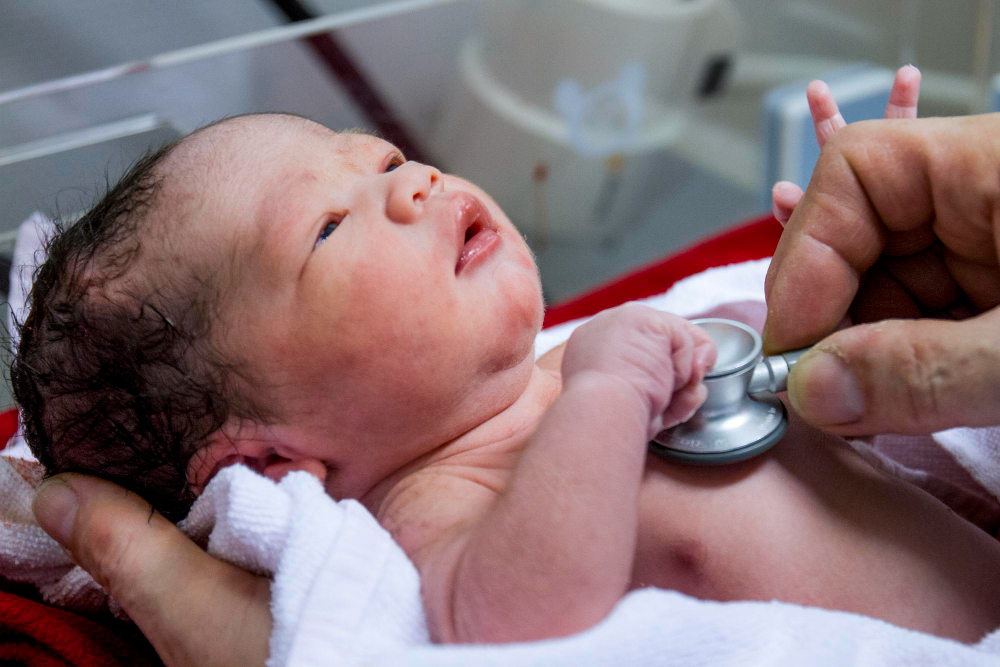
Infections in newborns are illnesses caused by germs like bacteria, viruses, or fungi. These infections can happen soon after birth or within the first month. Because newborns have weak immune systems, they are more likely to get sick. Early care is very important, as infections can become serious quickly. In many places, including hospitals and homes, newborn infections are a top concern. The World Health Organization (WHO) and Centers for Disease Control and Prevention (CDC) stress the need for fast care and prevention. Understanding the signs of infection in newborns can help parents and caregivers act quickly.
Common Symptoms of Infections in Newborns
Newborn infections may look different than in older children or adults. For example, some babies may not have a fever. Instead, they may show other signs. Knowing these symptoms helps you spot problems early. Watch for these signs of infection in newborns:Poor feeding or refusing to eatUnusual sleepiness or hard to wakeFever or low body temperatureFast or slow breathingYellow skin or eyes (jaundice)Vomiting or diarrheaSkin rashes or blistersCrying more than usual or weak crySeizures or twitching
If you notice any of these symptoms, seek medical help right away. Early treatment can prevent serious problems.
Causes and Risk Factors
Many things can cause infections in newborns. For instance, germs can pass from mother to baby during birth. Sometimes, babies pick up germs after birth from people or the environment. Certain factors increase the risk of newborn infections. These include:Premature birth (born before 37 weeks)Low birth weightMother had an infection during pregnancyLong labor or early water breakingUse of medical devices like cathetersLiving in areas with high infection rates
Because some areas have more germs, location can affect risk. Hospitals use special steps to lower infection risks for newborns.
Diagnosis Methods
Doctors use many ways to find infections in newborns. First, they check the baby’s symptoms and medical history. Next, they may order tests to find the cause. Common diagnosis methods include:Blood tests to check for germs or signs of infectionUrine tests to look for bacteriaSpinal fluid tests (lumbar puncture) for serious infectionsChest X-rays if breathing problems are presentSwabs from the nose, throat, or skin
Because newborns can get sick quickly, doctors often start treatment before test results are ready.
Treatment Options
Treatment for newborn infections depends on the cause and how sick the baby is. Usually, doctors start antibiotics right away if they suspect a bacterial infection. For viral infections, other medicines may be needed. In some cases, babies need to stay in the hospital for close care. Treatment options may include:Antibiotics given through a vein (IV)Antiviral or antifungal medicinesExtra fluids to prevent dehydrationOxygen or breathing support if neededCareful monitoring of temperature, heart rate, and breathing
Because early treatment saves lives, doctors act quickly when they suspect an infection.
Prevention Tips and Home Care Guidance
Preventing infections in newborn babies is very important. Parents and caregivers can take simple steps to lower the risk. For example, always wash your hands before touching the baby. Other prevention tips include:Keep the baby’s environment cleanLimit visitors, especially if they are sickMake sure anyone who holds the baby washes their handsFollow your doctor’s advice on vaccinesBreastfeed if possible, as it helps protect against infectionsWatch for signs of infection and seek help early
At home, keep the baby warm and dry. Change diapers often and clean the area well. If you notice any signs of infection in your newborn, consult Dr Varun Balineni right away.