
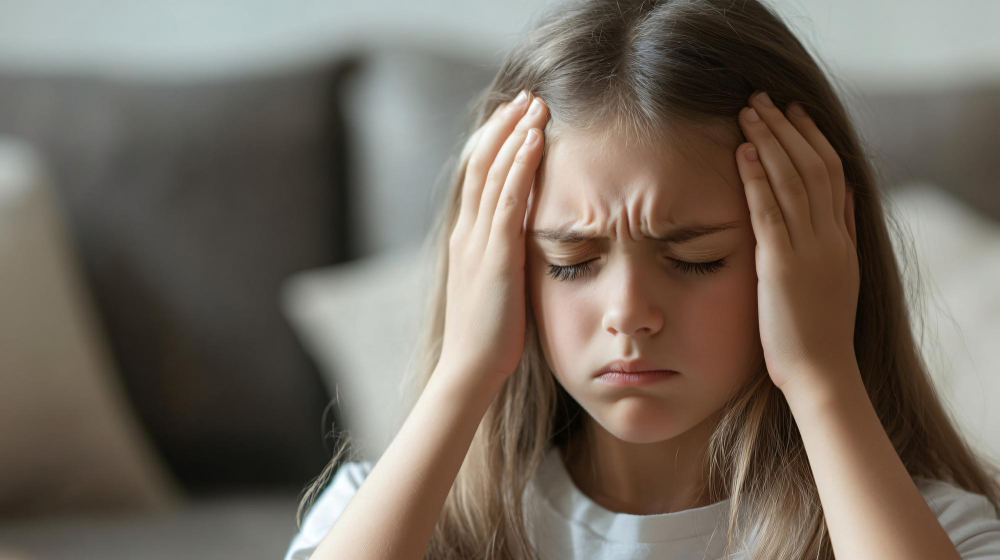
What Is Pediatric Migraine?
Pediatric migraine is a type of headache that affects children and teens. Unlike adult migraines, pediatric migraine can look different. For example, children may have shorter headaches or pain on both sides of the head. According to the World Health Organization (WHO), migraine in children is common and can affect daily life. Early care helps children feel better and miss fewer school days. Because symptoms can vary, it is important to know what to look for.
Common Symptoms of Pediatric Migraine
Symptoms of pediatric migraine may change with age. However, many children have some of the following signs:Throbbing or pounding head pain, often on both sidesNausea or vomitingSensitivity to light or soundPale skin or dark circles under the eyesStomach painFeeling dizzy or lightheadedChanges in mood or behaviorSeeing flashing lights or spots (called aura)
Sometimes, children may not be able to describe their pain. Therefore, parents should watch for changes in behavior or school performance.
Causes and Risk Factors
Doctors do not know the exact cause of pediatric migraine. Still, several factors can increase the risk:Family history of migraineChanges in sleep patternsStress at home or schoolCertain foods or drinks, such as chocolate or cheeseSkipping mealsHormonal changes, especially in teensBright lights or loud noises
Because triggers can be different for each child, keeping a headache diary can help find patterns. The Centers for Disease Control and Prevention (CDC) notes that genetics often play a strong role in migraine in children.
How Pediatric Migraine Is Diagnosed
Doctors use several steps to diagnose pediatric migraine. First, they ask about symptoms and family history. Next, they do a physical exam. Sometimes, doctors may order tests to rule out other causes. For example, they may use brain scans if symptoms are unusual. However, most children do not need special tests. The doctor may also ask about school, sleep, and eating habits. Because migraine can look like other problems, a careful review is important. The American Migraine Foundation suggests keeping a symptom diary to help with diagnosis.
Treatment Options for Pediatric Migraine
Treatment for pediatric migraine depends on the child’s age and symptoms. Often, doctors use a mix of medicine and lifestyle changes. Common treatments include:Pain relievers, such as acetaminophen or ibuprofenPrescription migraine medicines for severe casesAnti-nausea medicine if neededResting in a quiet, dark room during an attackRegular sleep and meal times
Not all medicines are safe for children. Therefore, always follow the doctor’s advice. The American Academy of Pediatrics recommends starting with simple treatments before using strong medicines.
Lifestyle Tips for Children with Migraine
Healthy habits can lower the number of migraine attacks. For example, children can try these tips:Get enough sleep each nightEat regular, balanced mealsDrink plenty of waterTake breaks from screens and bright lightsPractice relaxation, such as deep breathingKeep a headache diary to spot triggers
Because stress can make migraine worse, parents should help children manage worries. Support from teachers and family can also make a big difference.
Prevention Strategies for Pediatric Migraine
Preventing migraine in children often means avoiding known triggers. However, not all triggers can be controlled. To help prevent attacks, try these steps:Stick to a regular sleep scheduleAvoid skipping mealsLimit foods that trigger headachesEncourage daily physical activityTeach stress management skillsWork with a doctor for ongoing care
For some children, doctors may suggest preventive medicine. The CDC and peer-reviewed studies support these steps as part of a full care plan for pediatric migraine.