
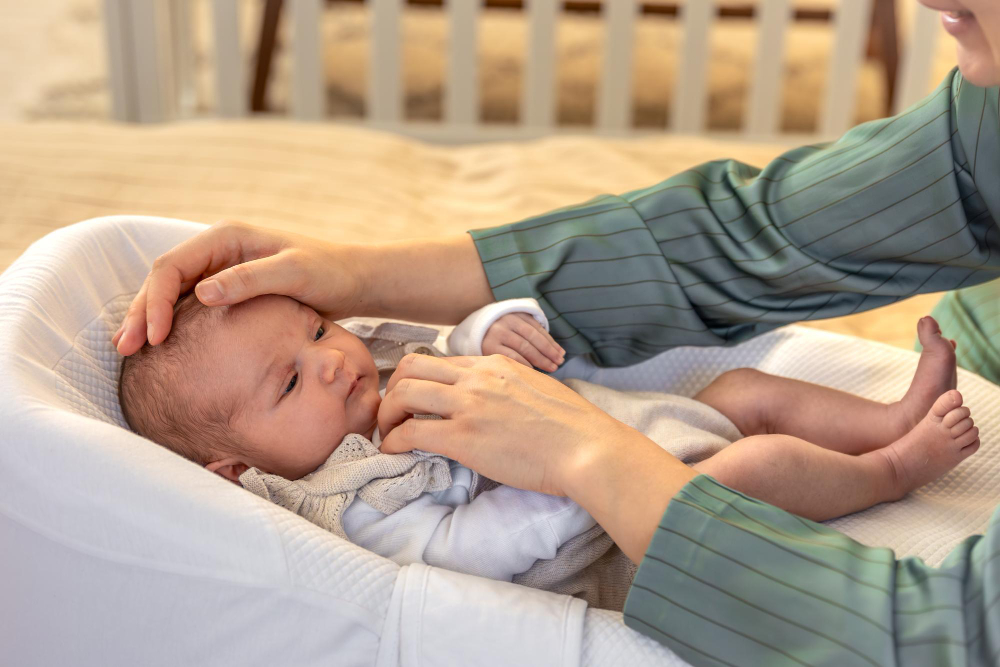
What is Neonatal (Newborn) Jaundice?
Neonatal jaundice is a common condition in newborns. It happens when a baby’s skin and eyes turn yellow. This yellow color appears because of high levels of bilirubin in the blood. Bilirubin is a yellow substance made when red blood cells break down. Usually, the liver removes bilirubin from the body. However, in newborns, the liver may not work fast enough. As a result, bilirubin builds up and causes jaundice. According to the CDC, about 60% of babies in the United States develop jaundice in their first week of life. Therefore, it is important for parents worldwide to know the neonatal jaundice symptoms.
Common Symptoms of Neonatal Jaundice
It is important to watch for signs of jaundice in babies. Early detection helps prevent problems. Here are the most common neonatal jaundice symptoms:Yellowing of the skin, especially on the face and chestYellow color in the whites of the eyesPoor feeding or trouble suckingUnusual sleepiness or hard to wake upDark yellow urine (should be colorless in newborns)Pale or light-colored stools
Sometimes, the yellow color spreads to the arms, legs, or even the palms and soles. If you notice these newborn jaundice signs, it is best to act quickly.
Causes of Neonatal Jaundice
There are several reasons why newborns get jaundice. Most cases are harmless and clear up on their own. However, some causes need medical attention. Common causes include:Immature liver that cannot process bilirubin fast enoughIncreased breakdown of red blood cells after birthBlood type differences between mother and babyPremature birth (babies born early have less mature livers)Breastfeeding difficulties or not feeding enough
In rare cases, infections or inherited conditions can also cause jaundice. Therefore, knowing the cause helps guide treatment for newborn jaundice.
How is Neonatal Jaundice Diagnosed?
Doctors use several ways to check for jaundice in babies. First, they look at the baby’s skin and eyes. Next, they may use a special device to measure bilirubin through the skin. If needed, a blood test confirms the bilirubin level. In some cases, doctors may order more tests to find the cause. Early diagnosis is important because high bilirubin can harm the baby’s brain. So, regular check-ups in the first week are helpful.
Treatment Options for Newborn Jaundice
Most babies with mild jaundice do not need treatment. Their bodies clear the bilirubin naturally. However, if levels are high, doctors may suggest:Phototherapy (using special lights to break down bilirubin)Extra feeding to help remove bilirubin through stoolsIn rare cases, a blood exchange transfusion
Phototherapy is safe and effective. The baby may wear eye protection during treatment. Usually, treatment for newborn jaundice happens in the hospital, but sometimes it can be done at home with guidance.
When to Seek Medical Help
It is important to call your doctor if you notice any neonatal jaundice symptoms. Seek help right away if:The yellow color spreads or gets worseYour baby is very sleepy or hard to wakeYour baby is not feeding well or has trouble suckingThere are signs of dehydration (few wet diapers, dry mouth)Your baby has a high-pitched cry or seems very irritable
Quick action can prevent serious problems. Always trust your instincts as a parent.
Prevention and Home Care Tips
While not all cases can be prevented, you can lower the risk of severe jaundice. Here are some tips:Feed your baby often, at least 8-12 times a dayWatch for early signs of jaundice, especially in the first weekKeep all newborn check-up appointmentsIf you notice yellowing, call your doctor right away
With proper care and early action, most babies recover fully from jaundice.
If you notice any symptoms of jaundice in your newborn, consult Dr Varun Balineni promptly for personalized care.