Neonatal jaundice symptoms can appear in many newborns. This condition causes a yellow color in a baby’s skin and eyes. Early recognition of these signs is important. When parents spot symptoms early, babies can get the right care. In the United States and worldwide, newborn jaundice is common. However, most cases are mild and treatable. Still, knowing what to look for helps keep your baby safe.
What Is Neonatal (Newborn) Jaundice?
Neonatal jaundice means a newborn has too much bilirubin in the blood. Bilirubin is a yellow substance made when the body breaks down old red blood cells. Usually, the liver removes bilirubin. But in newborns, the liver may not work fast enough. As a result, bilirubin builds up, causing the skin and eyes to look yellow. This is called jaundice. Most newborns have mild jaundice, but sometimes it can be serious.
Common Symptoms to Watch For
It is important to watch for signs of jaundice in babies. Early detection helps prevent problems. Look for these symptoms:Yellow skin: The yellow color often starts on the face and moves to the chest, belly, arms, and legs.Yellow eyes: The whites of the eyes may look yellow.Poor feeding: Babies may not want to eat or may eat less than usual.Lethargy: Some babies seem very sleepy or hard to wake.Dark urine: Urine may look darker than normal. Newborn urine is usually colorless.Pale stools: Stools may be lighter than usual. Healthy newborn stools are usually yellow or green.
Sometimes, symptoms appear within the first few days after birth. But they can also develop later. Therefore, keep checking your baby’s skin and eyes for changes.
Causes of Neonatal Jaundice
There are several causes of neonatal jaundice. Some are normal, while others need medical attention. Here are the most common causes:Immature liver: Newborn livers may not remove bilirubin quickly.Breastfeeding jaundice: Sometimes, babies do not get enough milk in the first days.Blood type differences: If the mother and baby have different blood types, extra bilirubin can form.Bruising during birth: Bruises can break down and release more bilirubin.Infections or other health problems: Rarely, infections or genetic issues cause jaundice.
Most cases are mild and resolve on their own. However, some causes need treatment.
How Is Neonatal Jaundice Diagnosed?
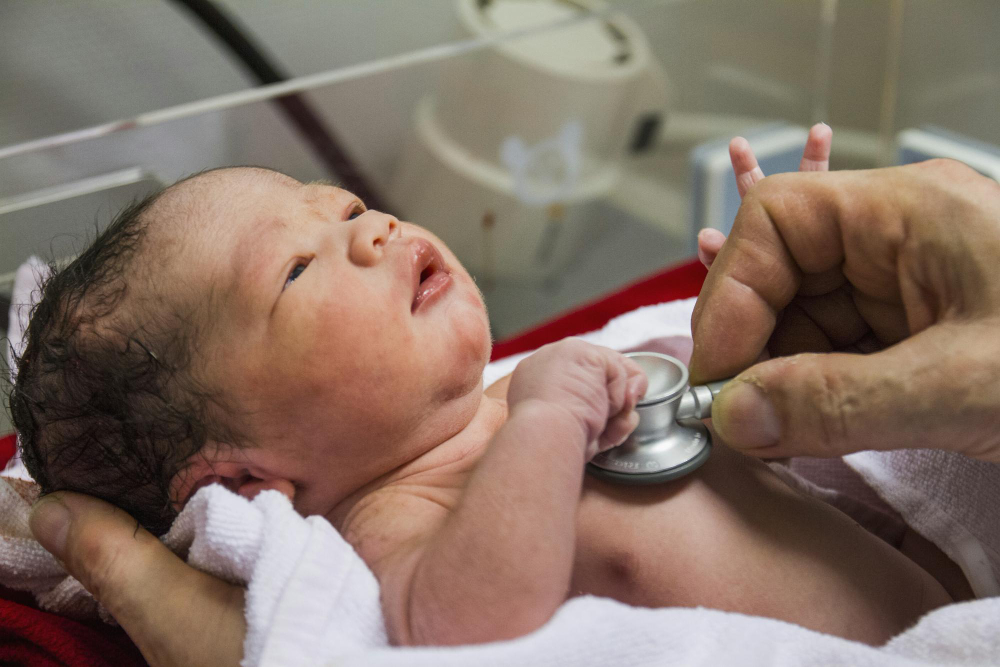
Doctors use several steps to diagnose newborn jaundice. First, they check the baby’s skin and eyes. Next, they may press gently on the skin to see if it looks yellow. If jaundice is suspected, doctors often use a device called a bilirubin meter. This tool measures bilirubin through the skin. Sometimes, a blood test is needed to confirm the level. The doctor may also ask about feeding and diaper changes. These steps help decide if treatment is needed.
When to Seek Medical Help
It is important to know when to worry about jaundice in newborns. Contact your doctor right away if you notice:The yellow color spreads quickly or gets brighter.Your baby is very sleepy and hard to wake.Your baby refuses to feed or eats very little.There is dark urine or pale stools.Your baby cries with a high-pitched sound.Symptoms appear after the first week of life.
Early treatment can prevent serious problems. Therefore, do not wait if you are concerned.
Treatment Options
Treatment for neonatal jaundice depends on how high the bilirubin level is. For mild cases, no treatment may be needed. The doctor will watch your baby closely. However, if levels are higher, common treatments include:Phototherapy: Babies are placed under special lights. The light helps break down bilirubin in the skin.Extra feeding: More frequent feeding helps remove bilirubin through urine and stools.In rare cases, exchange transfusion: The baby’s blood is replaced with fresh blood. This is only for severe cases.
Most babies respond well to treatment. As a result, they recover quickly.
Prevention and Home Care Tips
While not all cases can be prevented, parents can help lower the risk. Here are some tips for home care:Feed your baby often, at least 8–12 times a day.Watch for changes in skin and eye color.Keep track of wet diapers and stools.Make sure your baby is gaining weight.Attend all newborn check-ups as advised by your doctor.
Additionally, ask your doctor about jaundice risk before leaving the hospital. Early checks and good feeding habits help keep your baby healthy.
However, early action is key. If you notice any symptoms of jaundice in your newborn, consult a pediatrician Dr Varun Balineni for personalized guidance.